The first office party invitation hits your inbox, and suddenly you notice it: the 11s between your brows seem deeper, your crow’s feet flash in every selfie, and makeup doesn’t settle the way it did in September. If your goal is a rested, not frozen, look by mid-December, Botox can be a smart, low-downtime tool — provided you time it right, dose it right, and pair it with the right aftercare. I’ve guided hundreds of patients through that pre-holiday window, from first timers to seasoned schedulers, and the difference between natural refinement and a stiff, surprised look usually comes down to planning and technique, not luck.
What Botox Actually Does, in Plain Terms
Botox is a neuromodulator. It doesn’t fill or lift in the way a filler does; instead, it softens the muscle activity that creases skin. Think of deeply etched frown lines, horizontal forehead lines, and the crinkling around the eyes. Those lines form because of repeated contractions. When a tiny amount is placed precisely into the overactive segments of a muscle, the nerve’s signal is dialed down. That controlled relaxation allows the overlying skin to lie smoother.
If you like specifics, here’s how botox for facial rejuvenation works at the cellular level: botulinum toxin type A blocks acetylcholine release at the neuromuscular junction. No acetylcholine, no contraction. The effect isn’t instant. You’ll often see the first softening around day 3, with peak effect by days 10 to 14. This matters a lot if you’re aiming for a holiday event, and it’s why I recommend a treatment timeline rather than a last-minute appointment.
Because the dose and pattern determine the outcome, modern botox methods favor “less but tailored” over “more and everywhere.” Light botox, also called soft botox or subtle botox, uses microdroplet technique and botox precision injections to calm only the muscle fibers responsible for harsh creases, preserving natural micro-expressions. The result is a botox smoothing treatment that reads as refreshed, not “done.”
The Holiday Clock: When to Book for a Rested Finish
Your skin can look fresher within two weeks, but genuine event-ready balance takes a bit more finesse. A practical botox treatment timeline looks like this:
Two months before your first event is ideal. This gives you a consultation window, time for the first round of injections, and a follow-up for fine-tuning. If you are a botox for first timers patient, I suggest the two-month lead time to learn your response profile. Some people metabolize faster, others slower. Planning early avoids avoidable stress.
Four weeks before a big event can still work. You’ll be near peak smoothing right when you need it. It also allows for a quick tweak if you want a touch more lift in the brows or a drop less action in the crow’s feet.
Ten to fourteen days before is the latest you can reasonably expect a settled result. The risk here is not danger, but aesthetics: if you bruise, or if the brow position feels off to you initially, you have less time to adjust.
Two to three days before the event is too late for first-time treatments. At that point you might only see the very first whisper of effect. Some seasoned patients, who know their botox do’s and don’ts and how they respond, do quick maintenance at this timing, but I don’t recommend it if you’re new.
Look Rested, Not Frozen: Dosing and Placement Choices That Matter
No two foreheads behave the same. In my practice, the number of units ranges broadly because anatomy, animation patterns, and goals vary. A robust frown complex might need 20 to 30 units across the corrugators and procerus. Crow’s feet often take 6 to 12 units per side. A forehead that lifts strongly might tolerate 8 units, while a heavier brow might do better with 4 to 6 to avoid droopy brows. Subtle botox relies on precision: you’re not blanket-weakening the whole muscle group, you’re mapping the overactive segments.
Two placement principles guide a natural result:
First, use the frontalis (forehead) carefully. It is the only true brow elevator. Too much product high in the forehead can drop the brows, which reads as sleepy eyes. A botox for eyebrow shaping plan sometimes adds tiny lifts in the tail area by reducing downward pull from the orbicularis oculi and glabellar complex rather than heavily dosing the forehead itself.
Second, check for compensatory patterns. When you soften frown lines, some people unconsciously raise their brows more. If you leave a small, strategic amount of frontalis activity, you’ll preserve a subtle botox lift effect without creating a “surprised” arch or flatness. This is where the botox injection guide and microdroplet technique shine: shallow depth, small aliquots, and symmetry checks during animation.
A Focused Holiday Menu: What to Treat, What to Skip
The traditional holiday triad involves the glabella (the 11s), the forehead, and the crow’s feet. These sites yield the most visible “fresh look” in photos, especially under indoor lighting that casts shadows on frown lines. Many patients also ask about botox for eye rejuvenation timed before events. Gentle crow’s feet dosing can blur squint lines and soften crepe without erasing the natural smile. If you always crinkle strongly, we keep room for expression.
Selective lower-face use before the holidays can help in the right candidate. Botox for chin wrinkles can smooth pebbling from an overactive mentalis. Softening the DAO muscles at the mouth corners gives a mild upturn that reads friendly. A conservative, well-placed treatment for nose lines (bunny lines) can help makeup glide. For bruxism, jawline botox can slim the lower face and reduce clenching, but results develop over several weeks. If it’s your first time targeting the masseters, plan more lead time.

What I avoid right before major photos: heavy perioral work in first timers. Lip elevator and depressor balance is delicate. Misjudgment can produce a temporary smile quirk, which you do not want captured for all time in family photos. With existing patients who have known patterns, it can be fine. For newcomers, save it for January when we can calibrate without a deadline.
Myths vs Reality: How Botox Plays With Expression
Certain botox myths vs facts resurface each season. No, properly performed botox does not change your personality, and it does not eliminate all emotion from your face. It relaxes specific muscles. If you numb every brow elevator and frown maker, yes, you’ll look flat. If you keep a little movement, you’ll retain micro-expressions that make you look engaged. The fear of looking “done” usually stems from two issues: over-dosing and poor injection patterns. Technique matters more than the brand.
Another common botox misconception involves sagging. Botox does not tighten skin, it simply reduces the mechanical folding that deepens lines. If your concern is sagging skin or volume loss, you might need a different approach, such as skin tightening tools or fillers, or you might choose non-invasive wrinkle treatments like radiofrequency, microneedling, or focused ultrasound. In that comparison of botox vs skin tightening or botox vs PDO threads, Botox wins for dynamic lines; threads or energy devices address laxity. Sometimes we combine them, but sequencing matters.
Timing Botox With Your Skincare: Holiday-Ready Pairings
Botox and skincare routine choices affect your final finish. Retinoids, vitamin C, sunscreen, and hydration are the backbone of a smoother complexion. You can use botox with retinol, but pause exfoliating acids and strong retinoids 24 to 48 hours before injections to reduce skin sensitivity. Once the tiny injection sites close, you can resume retinol within a day or two if your skin is comfortable.
Botox and sunscreen is non-negotiable. Photo damage deepens lines you’re trying to soften, and winter sun still ages skin. A broad-spectrum SPF 30 to 50 every morning, even on cloudy holiday-shopping days, keeps your collagen safe.
Hydration matters too. Botox and hydration pair well because plump, well-moisturized skin reflects light more evenly. Humectants like glycerin or hyaluronic acid, plus an occlusive layer tailored to your climate, visibly improve the surface while botox handles muscle activity underneath.
If you want an extra bump of radiance, consider what to pair with botox short term. A gentle hydrafacial or low-flake superficial peel works nicely a week or two before an event. Avoid deep peels or aggressive microneedling close to injection day, since you don’t want confounding inflammation or bruising.
Expectations and the Patient Journey
A realistic botox patient journey starts with a focused consultation. Expect to discuss the exact expressions that bother you, not only the lines you see at rest. Your injector should watch your face in motion, identify overactive vectors, and explain the logic of the plan. Good care means reviewing botox pros and cons, potential sensitivities, and the small but real risk of complications.
Bruising happens in a minority of cases, often tiny and easy to cover. Headaches can occur the first day or two. Eyelid or brow heaviness is rare with proper placement, but I still counsel what to do if it happens. Duration ranges from about 3 to 4 months for most people, sometimes shorter for high-metabolism athletes or those with fast neuromuscular recovery. This is why why botox wears off varies: nerve sprouting, metabolic clearance, and individual activity patterns all play a role.
If you have botox fear of needles, tell your injector. Techniques like vibration distraction, topical numbing, ice, and breath pacing help. The needles used are extremely fine. Most patients rate the sensation as a quick pinch and a pressure feeling that fades quickly.
Safety First: How to Avoid Bad Results
Botox patient safety starts with training and anatomy. The safest plan is to choose a provider who uses modern botox methods, not a one-size-fits-all map. Ask about their approach to brow position, how they handle asymmetry, and how they correct a too-strong or too-weak response.
I keep a personal botox clinic checklist for new consultations: check medical history for neuromuscular disorders, pregnancy or breastfeeding, recent antibiotics like aminoglycosides, bleeding disorders, and current medications or supplements that increase bruising risk. It’s important to review prior experiences too, including any botox sensitivity, suspected botox allergic reaction, or unusual responses. True allergies are rare, but sensitivities to albumin or preservatives can occur.
If botox goes bad, there are botox gone bad fixes, though they require patience. We can’t dissolve botox the way we can dissolve hyaluronic acid fillers. Time is the main remedy. That said, we can strategically place small amounts in opposing muscles to rebalance, or we can use prescription eyedrops to stimulate the Müller’s muscle for a temporary lift if there is mild eyelid ptosis. Careful massage and facial taping do not reverse botox, but your provider may suggest comfort measures while things normalize.
The Do’s and Don’ts Around Your Appointment
Here’s a concise checklist I share with holiday-focused patients. Keep it simple and doable in a busy season.
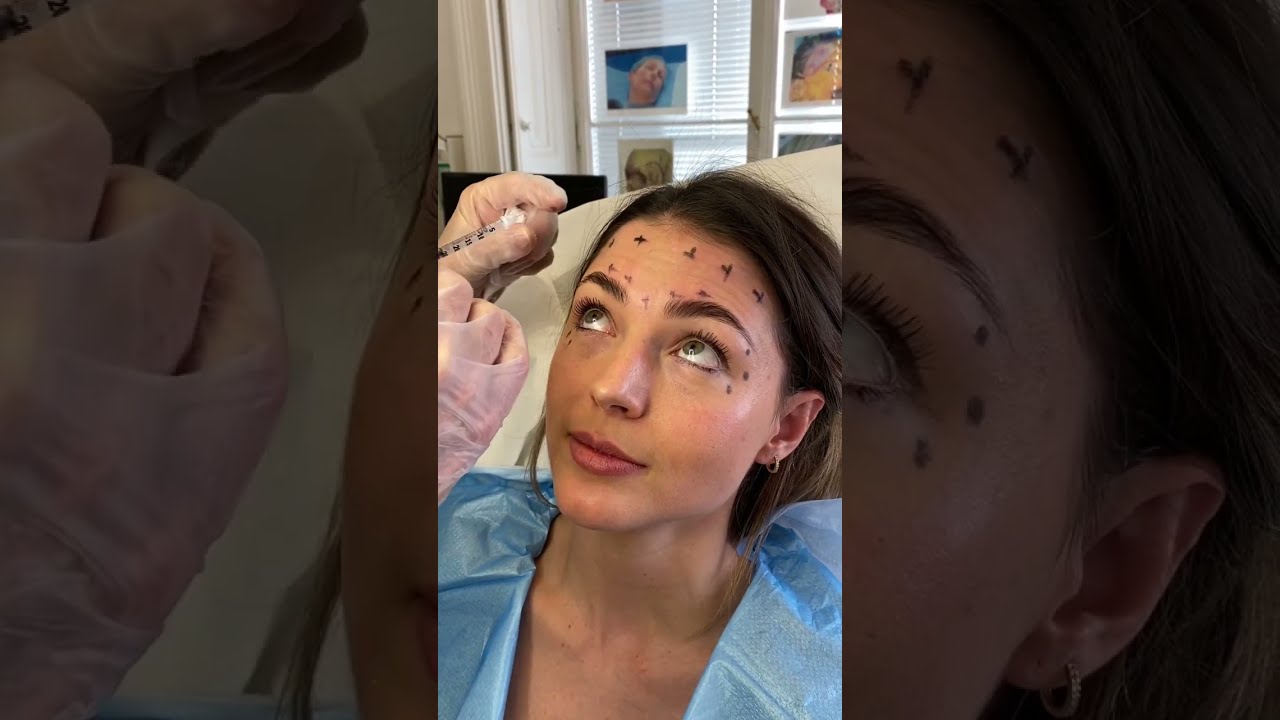
- Do schedule at least two weeks before your key event; four to six weeks is better for first timers. Do avoid vigorous exercise, saunas, and facial massages for 24 hours, especially botox after workout on the same day. Heat and pressure can potentially affect spread in the early window. Do keep your head elevated and avoid lying face-down for several hours after treatment. Don’t rub the injected areas or apply heavy makeup for the first few hours; gentle mineral makeup later is fine. Don’t pair alcohol and high-dose fish oil within 24 hours if you bruise easily; it may worsen bruising.
Why Some People’s Botox Lasts Longer
Duration is a mix of product, dose, placement, and biology. The common range is 3 to 4 months, but two people with the same dose can have different longevity. Does metabolism affect botox? Indirectly, yes. People who are very active, especially with intense cardio or those with high baseline muscle tone in the treated area, sometimes see a shorter window. The how to make botox last longer advice is pragmatic: choose the minimum dose that controls the movement you dislike, avoid frequent micro-dosing every few weeks which can underwhelm, and stick to a consistent botox maintenance plan. Whether you come right at 12 to 16 weeks or wait for full return of movement depends on your preference and the rhythm of your calendar, but a regular cadence often yields more stable results.
First Timers vs Veterans: Tailoring the Approach Before Holidays
For first timers, I prefer conservative dosing with a follow-up at the two-week mark to adjust. We prioritize high-visibility areas and avoid complex lower-face patterns. This strategy reduces the risk of surprise and supports botox expectations that favor naturality. The psychology of botox for newcomers usually centers on control: you want agency over your appearance, not a different face. Will botox make me look different? Not when used for subtle refinement. You will look like you on eight hours of sleep.
For veterans, the conversation shifts toward efficiency and small upgrades. If you already have a stable plan, the holiday season can be a good time to test a new spot gently, like a tiny tweak for symmetry correction or a faint elevation of the outer brow. You might also explore botox for facial relaxation in the jaw if you clench under year-end stress. Just maintain enough lead time to evaluate changes before photos.
Precision Techniques That Create a Natural Lift
The latest botox techniques focus on pattern, not just point. Instead of three big forehead shots, we map four to eight micro-points based on the arc of your frontalis. Instead of a one-point crow’s feet approach, we consider the smile pattern and whether your lateral canthus sits high or low. Modern botox methods like the botox microdroplet technique spread tiny amounts across the muscle’s most active fibers, lowering the chance of a heavy patch and preserving micro-expressions.
For a holiday-ready mini lift, consider a calibrated brow-tail lift. Tiny units placed below and lateral to the tail can lessen the downward pull of the orbicularis oculi, giving a soft upturn. The key is balance with the glabella. Over-relaxing the frown complex without supporting the lateral brow can make the inner brow pop too much. The art lies in ratio, not total units.
When Botox Isn’t the Right Answer
Sometimes the best pre-holiday move is to not get botox. If your main issue is etched lines at rest from years of folding, botox alone will not re-plump those valleys. It will stop the animation from deepening them, but the grooves may need microneedling, resurfacing, or filler. If your skin is very lax and your brows sit low, heavy forehead dosing can make you feel hooded. In these cases, a frank talk about botox vs facelift or botox vs threading helps set expectations. Botox is a wrinkle relaxer, not a lift device, although it can create the appearance of lift through muscle balance.

Allergies, infections, or active rashes at the injection site mean rescheduling. If you have a big presentation tomorrow and you bruise easily, consider waiting two days or using strategic concealer. Safety beats speed.
Questions Worth Asking at Your Consultation
You can gauge a lot from the conversation. Good injectors welcome educated questions and give clear, non-defensive answers. Here are concise questions that help you make a sound choice:
- What is your philosophy on natural expressions, and how do you adjust doses to preserve them? How do you plan the injection pattern for my unique movement rather than using a fixed map? What is your plan if my brows feel heavy or asymmetrical after the first week? How many units do you anticipate today, and how many might be needed at a two-week follow-up? Can you show before-and-after photos of similar anatomy and goals?
Lifestyle Factors That Move the Needle
Your daily habits influence both your baseline skin quality and your botox longevity. Sleep helps your skin retain water and repair the barrier, so your surface looks more even. Moderate caffeine and alcohol before events if puffiness or dehydration is an issue. Maintain protein intake for collagen support, especially if you’re ramping up workouts. Regarding botox after workout, keep high-heat, high-intensity sessions off the schedule for the first 24 hours; after that, return to normal.
Stress management matters too. Repetitive frowning under deadlines can outpace light dosing. If your life demands big expressions, we adapt by strengthening the plan or accepting slightly shorter duration to preserve movement you care about.
Results You Can Expect When Done Well
A successful holiday prep with botox looks like this: your forehead reflects light more evenly, your eyes seem open and friendly, and your midface looks less tense. Makeup sits better because you’re not folding the same crease repeatedly during application. Friends might say you look rested, and no one can pinpoint why. If you pair the injections with diligent sunscreen and hydrating skincare, you’ll amplify the youthful glow without any shine mismatch in photos.
For the numbers-minded, most patients see 30 to 60 percent reduction in dynamic lines, sometimes more for deep glabellar furrows. Full-face relaxation is possible but rarely necessary for a “rested” vibe. Targeted treatment often reads more natural. The longevity varies, but planning your botox maintenance plan around major events can keep you in that sweet spot.
Pros and Cons, Clearly Stated
The botox benefits that matter during the holidays are speed, low downtime, and predictable softening of the lines that show up in photos. It can also reduce tension headaches for some people with strong frown muscles, which is a welcome side effect in a hectic season.
On the flip side, botox pros and cons include the need for maintenance, potential bruising, and the possibility of an outcome that feels too light or too strong on the first try. Rare complications exist, such as temporary eyelid droop or smile asymmetry if product diffuses unintentionally. Choosing conservative dosing and a qualified injector lowers these risks.
If You Decide Against Botox This Season
Non-invasive wrinkle treatments can still give a lift to your holiday look. Consider a gentle peel two weeks out, a series of LED sessions for brightness, or targeted skincare upgrades like a proven vitamin C serum and a moisturizer calibrated to indoor heating. The best alternatives to botox for dynamic lines are limited, but topical peptides and neurocosmetic ingredients can reduce perceived movement slightly. They do not match injection-level results, yet they can nudge things in the right direction without needles.
A Practical, Two-Week Pre-Holiday Plan
If your event is in exactly two weeks and you’re green-lit for treatment, the schedule below has served my patients well.
- Day 0: Consultation and subtle botox in your priority zones. Keep the rest of the day gentle. No saunas, heavy workouts, or facial massages. Day 1: Light skincare, sunscreen, and hydration. If there’s a tiny bruise, arnica or a dab of concealer is fine. Day 3 to 5: You’ll notice the first changes. Refrain from testing expressions; let it settle. Stick with botox and hydration basics. Day 10 to 12: Peak effect arrives. If you and your injector planned a micro-tweak, this is the check-in window. Add a hydrating mask before the event. Event day: Sleep, drink water, use a light-reflecting primer, and skip heavy powder that can collect in any remaining fine lines.
Final Thought: Confidence Is the Real Goal
Holiday gatherings are compressed moments, and cameras are unforgiving. The aim is not to change your face, but to let your features read the way you feel: awake, relaxed, and at ease. When done thoughtfully, botox for a non-surgical refresh gives you that margin with minimal disruption. Anchor your plan to your calendar, choose precision over volume, Cornelius NC botox and protect your skin with sunscreen and moisture. You’ll walk into the season with a soft lift, smoother skin, and the kind of youthful glow that doesn’t announce itself — it just lets the room see you at your best.